Australia vehicle leaderboard.
No reviews. Just data.
Sortable spec table for 24 vehicles on sale in Australia. Range, towing, cargo, dimensions, charging — measured from manufacturer sources.
Top 10 (preview)
See all 24 →| Sales YTD ↓ | Vehicle | Body | Length | Cargo | Range | Tow | DC peak | Weight | |
|---|---|---|---|---|---|---|---|---|---|
| 15,023 | 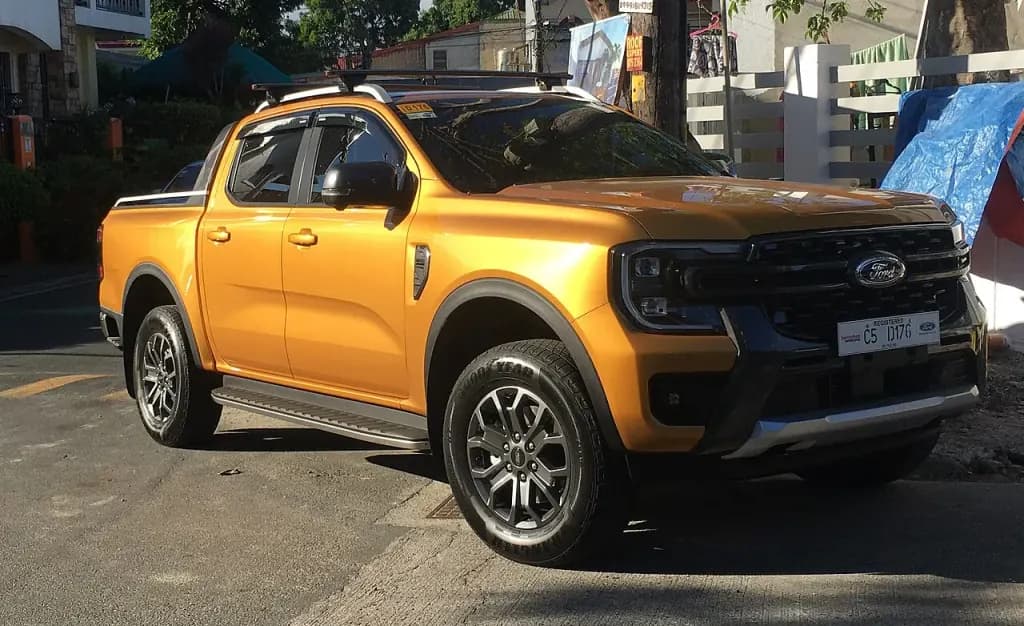 Ford Ranger Ford Ranger | uteice | 5370 mm | — | — | 3500 kg | 7.2 L/100km | 2250 kg | Specs → |
| 11,486 | 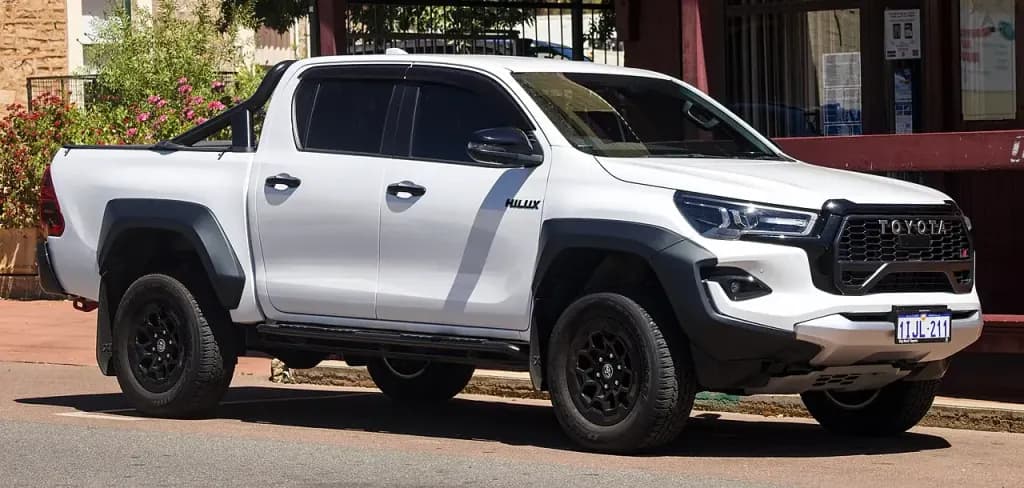 Toyota HiLux Toyota HiLux | uteice | 5320 mm | — | — | 3500 kg | 7.1 L/100km | 2110 kg | Specs → |
| 9,186 | 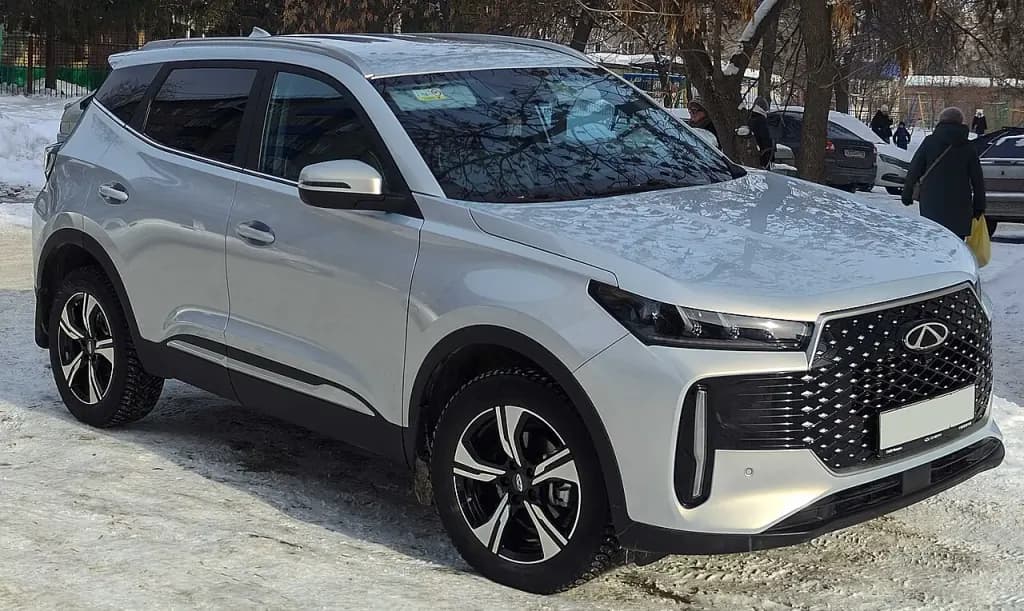 Chery Tiggo 4 Chery Tiggo 4 | suvice | 4318 mm | 380 L | — | — | — | 1382 kg | Specs → |
| 8,336 | 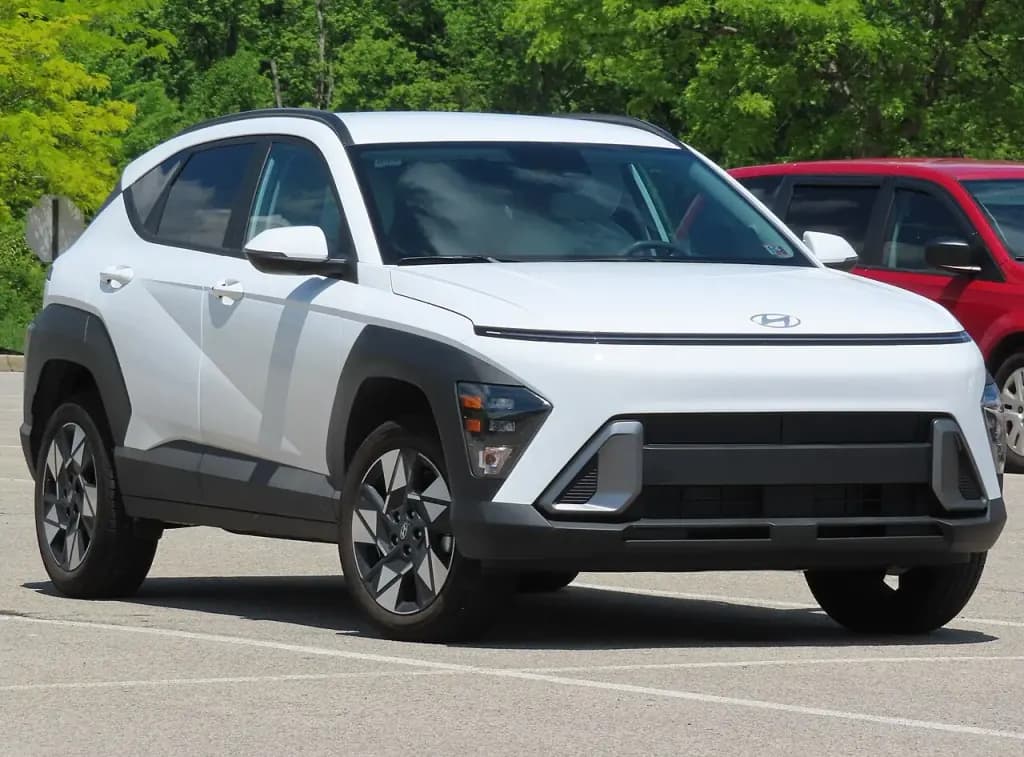 Hyundai Kona Hyundai Kona | crossoverice | 4350 mm | 466 L | — | — | — | 1430 kg | Specs → |
| 7,081 | 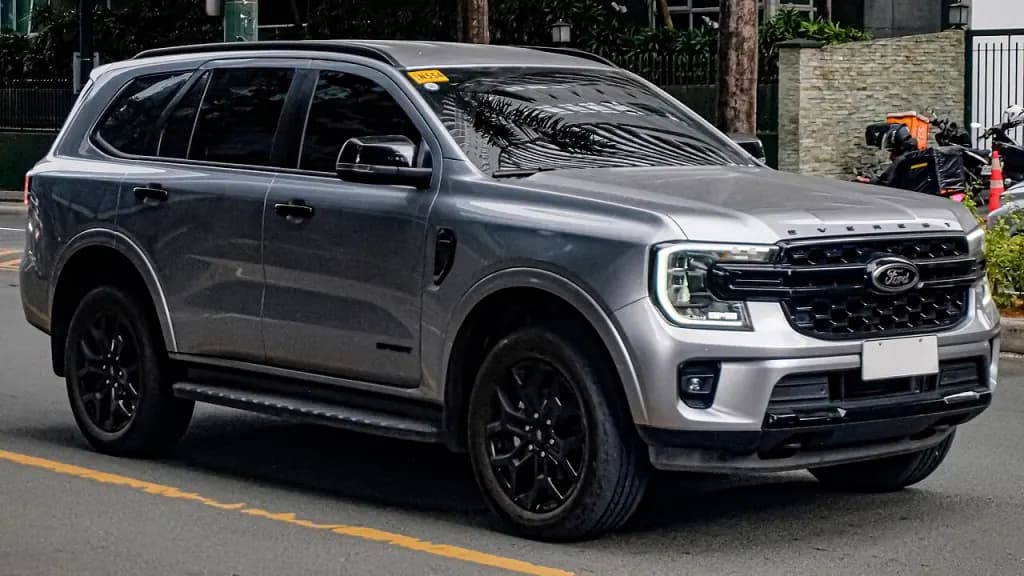 Ford Everest Ford Everest | suvice | 4914 mm | 259 L | — | — | — | 2497 kg | Specs → |
| 6,385 | 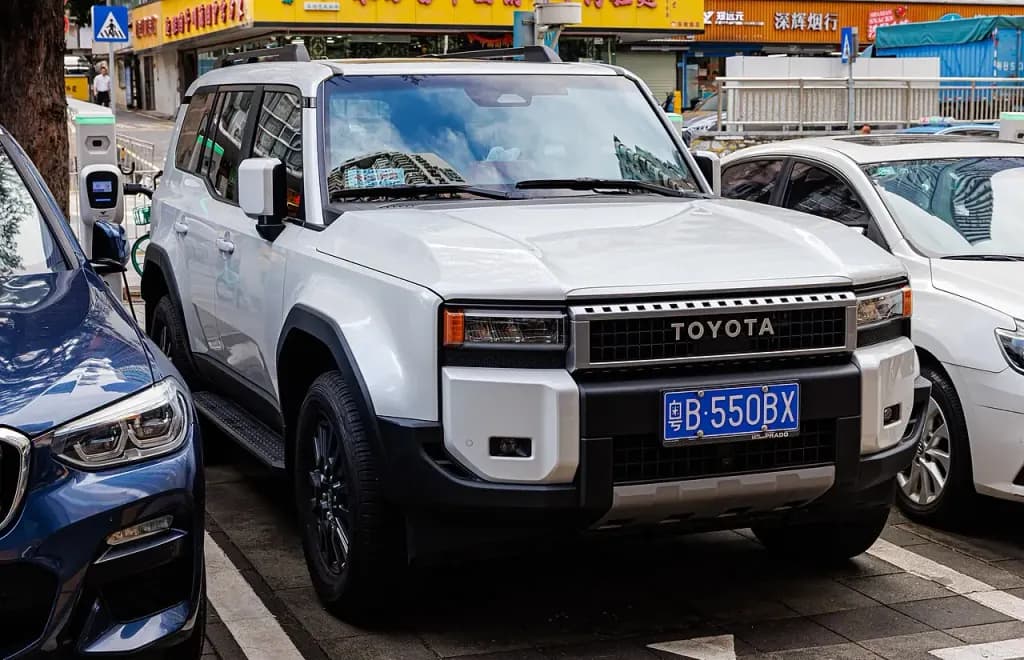 Toyota LandCruiser Prado Toyota LandCruiser Prado | suvhev | 4990 mm | — | — | 3500 kg | 7.6 L/100km | 2570 kg | Specs → |
| 6,165 | 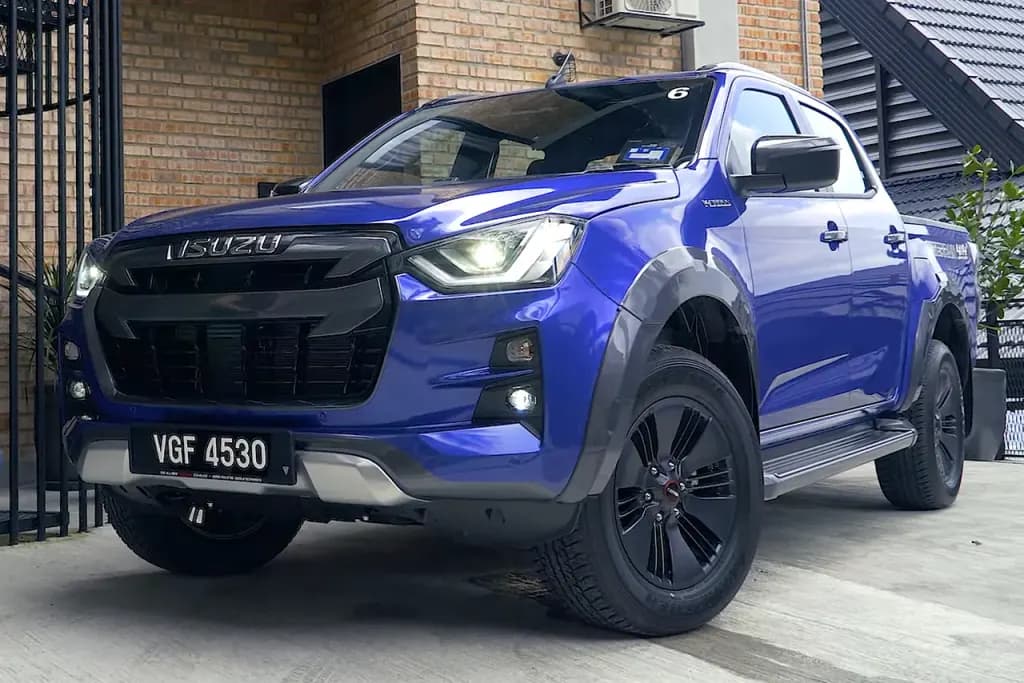 Isuzu D-MAX Isuzu D-MAX | uteice | 5310 mm | — | — | 3500 kg | 7.8 L/100km | 2170 kg | Specs → |
| 5,981 | 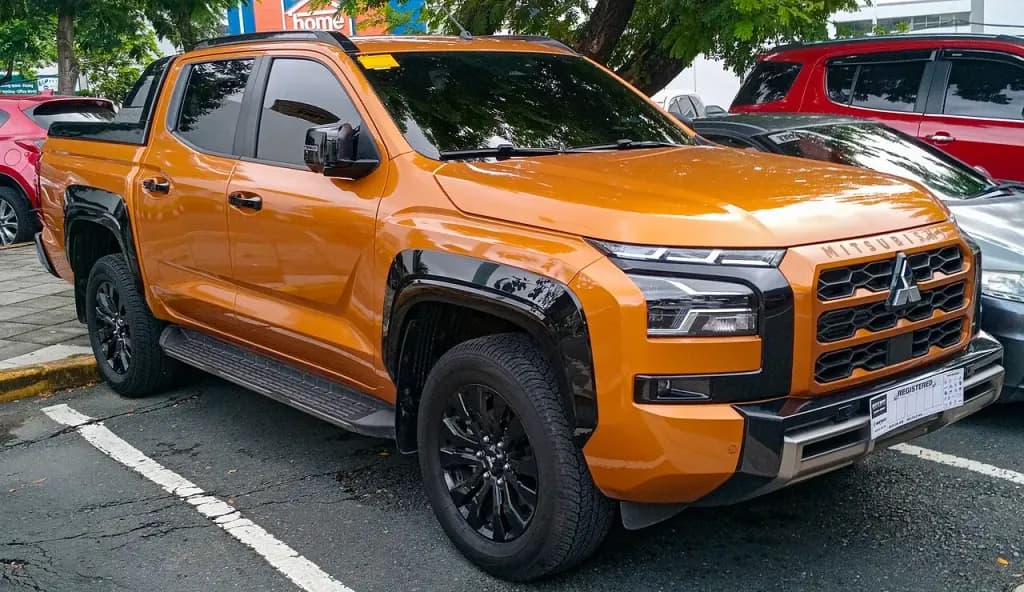 Mitsubishi Triton Mitsubishi Triton | uteice | 5320 mm | — | — | 3500 kg | 7.7 L/100km | 2164 kg | Specs → |
| 5,033 | 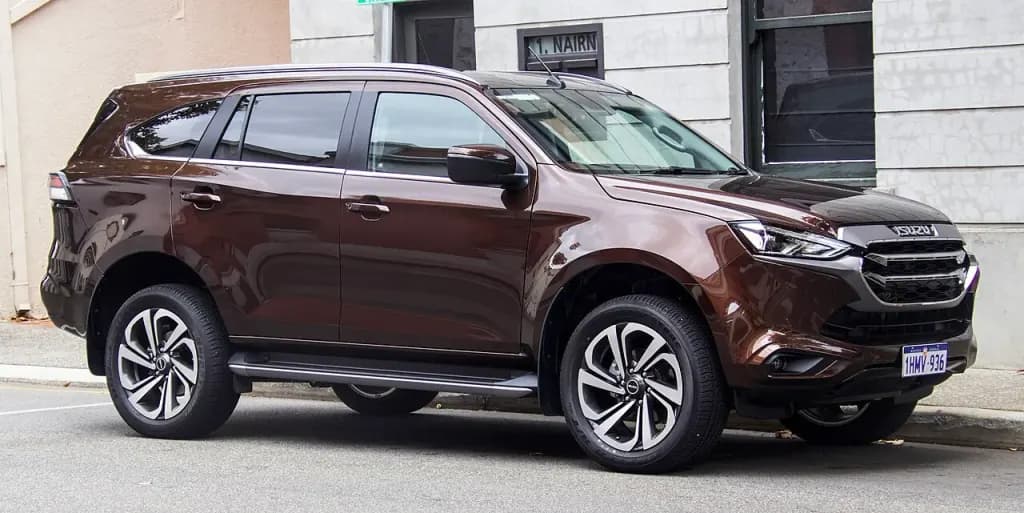 Isuzu MU-X Isuzu MU-X | suvice | 4850 mm | 311 L | — | — | — | 2195 kg | Specs → |
| 4,851 | 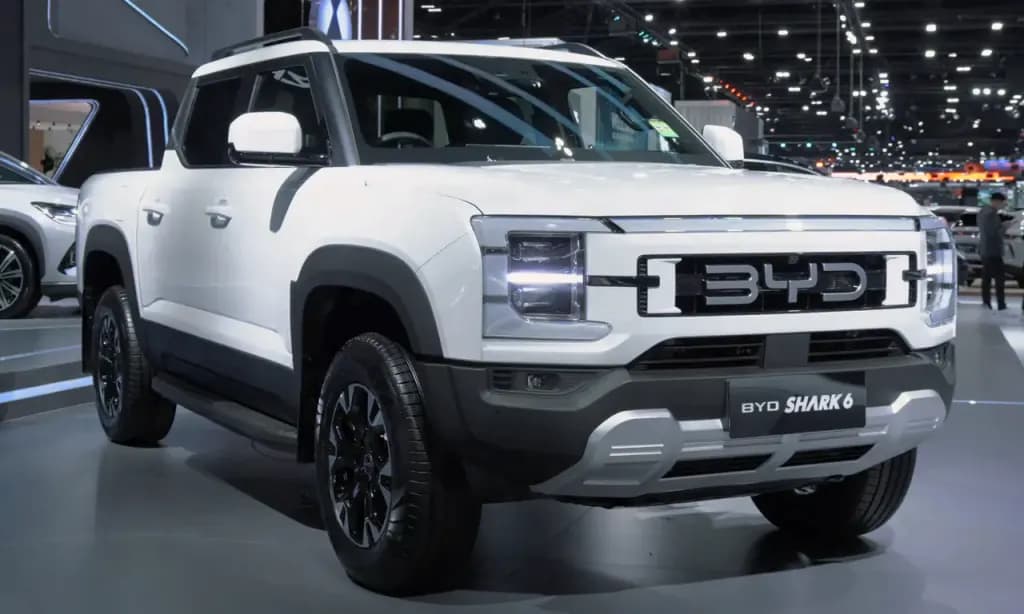 BYD Shark 6 BYD Shark 6 | utephev | 5457 mm | — | 100 km | — | — | 2710 kg | Specs → |
Sales YTD is units sold in the listed country between January and the most recent published month (typically Q1 — click the number to open the source). Range uses WLTP where available, otherwise EPA. DC peak is the manufacturer's peak DC fast-charging power for the listed trim (kW); for ICE rows we show combined L/100km in that column. All values come from manufacturer spec sheets — see the per-vehicle page for source + verification date. Click any column header to sort. A dash (—) means the manufacturer or industry body did not publish that value.
Browse by use case
Key definitions
WLTP range▾
Worldwide Harmonised Light Vehicle Test Procedure. Used in Europe, UK, Australia, New Zealand. Generally produces optimistic range figures vs real-world driving — particularly in cold weather.
EPA range▾
United States Environmental Protection Agency rated range. Used in Canada and the US. Tends to be more conservative than WLTP. EPA and WLTP are not directly comparable.
Braked towing capacity▾
Maximum trailer mass when the trailer has its own brakes (electric, hydraulic, or override). Always higher than unbraked. The cap is set by the vehicle manufacturer, not by you.
Unbraked towing capacity▾
Maximum trailer mass when the trailer has no independent brakes. In Australia, the legal cap for an unbraked trailer is 750 kg ATM.
DC charging peak (kW)▾
The fastest sustained DC fast-charging power the vehicle accepts under ideal conditions (battery preconditioned, mid state of charge, low ambient temperature loss). Real-world peak is usually lower.
DC 10–80% time▾
Manufacturer-claimed minutes to charge from 10% to 80% state of charge under ideal conditions. From 80% to 100% the curve tapers steeply and takes disproportionately longer.
Cargo (seats up vs folded)▾
Cargo volume measured to the cargo cover or load-floor line, with rear seats in the upright passenger position vs folded flat. Different manufacturers use different measurement methods — figures are not always like-for-like across brands.
Wheelbase▾
Distance between the front and rear axle centerlines. Affects interior length, ride smoothness, and turning circle. A longer wheelbase means more interior room but generally a wider turning circle.
Turning circle (kerb-to-kerb)▾
The diameter of the smallest circle the outside front wheel can trace at full lock, measured kerb to kerb. Wall-to-wall figures (some manufacturers publish those instead) are about 0.5–1 m larger.
Bolt pattern (PCD)▾
Pitch Circle Diameter: number of wheel studs × diameter of the circle they sit on in mm. 5x114.3 = 5 studs on a 114.3 mm circle. Required to verify aftermarket wheel compatibility along with hub bore and offset.
Hub bore▾
Diameter of the centre hole of the wheel that sits over the hub. Must match the hub diameter (or use a hub-centric ring) for correct wheel centering.
Offset (ET)▾
Distance from the wheel's mounting face to its centerline, in mm. Positive offset pushes the wheel inward; lower or negative offset pushes it outward. Wrong offset can rub fenders, foul suspension, or load wheel bearings incorrectly.